
 Telefone
: +1 2403149021
Telefone
: +1 2403149021 Mail: kliu@jiechi.com
Telefone
: +1 2403149021Mail: kliu@jiechi.com


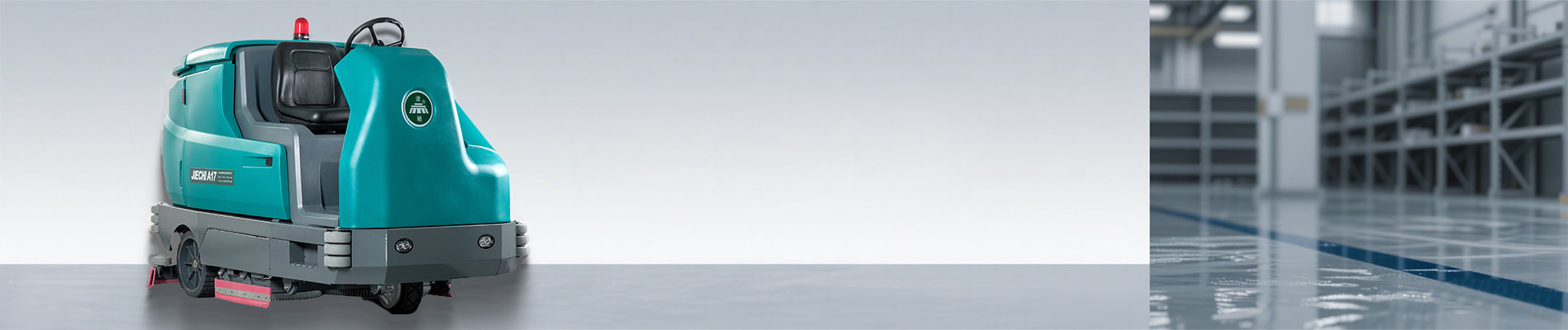
Maintaining a commercial floor scrubber isn't just about keeping it clean — it's about protecting a significant investment. A well-maintained floor scrubber can last 5 to 10 years or more, delivering consistent cleaning performance day after day. Neglect it, and you'll face costly repairs, unplanned downtime, and premature replacement.
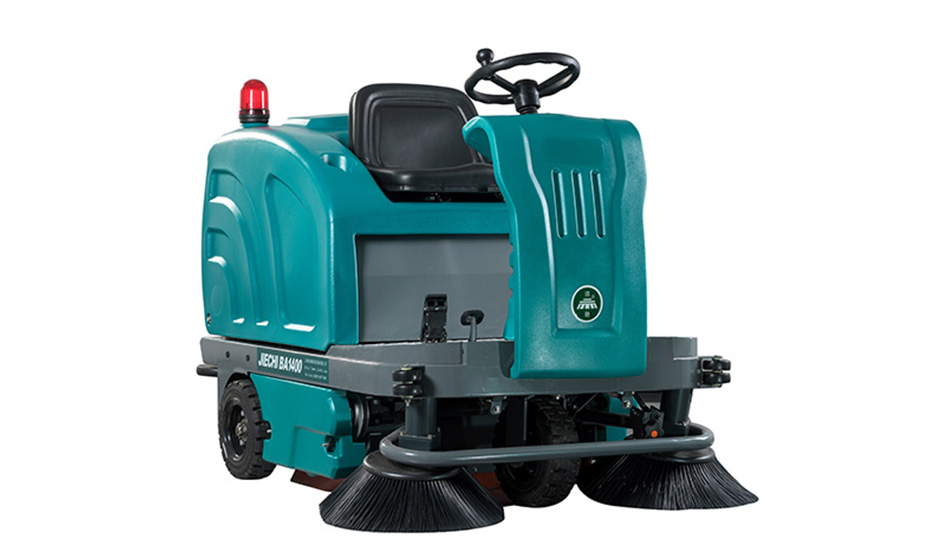
Whether you own a walk-behind floor scrubber for a small retail space or a ride-on scrubber for a large warehouse, these maintenance tips will help you maximize uptime and extend equipment life.

The squeegee is arguably the most important component for drying performance. If your scrubber leaves streaks or puddles after cleaning, the squeegee is usually the first place to check.
What to do:
A damaged squeegee blade not only leaves wet floors — a slip hazard — but also forces the vacuum motor to work harder, reducing its lifespan.
Leaving dirty water in the recovery tank overnight is one of the fastest ways to damage your machine. Bacteria growth, odor buildup, and corrosion can all take hold within hours.
What to do:
Pro tip: If you're cleaning in environments with high organic waste (kitchens, food processing), add a tank cleaner or a mild disinfectant to your rinse water once a week to prevent biofilm buildup.
The brush or pad deck is where the actual scrubbing happens. Debris and string can accumulate here, reducing cleaning effectiveness and putting strain on the brush motor.
What to do:
Blocked vacuum hoses are a common cause of poor water recovery. Even a partial blockage can reduce suction power by 30-50%.
What to do:
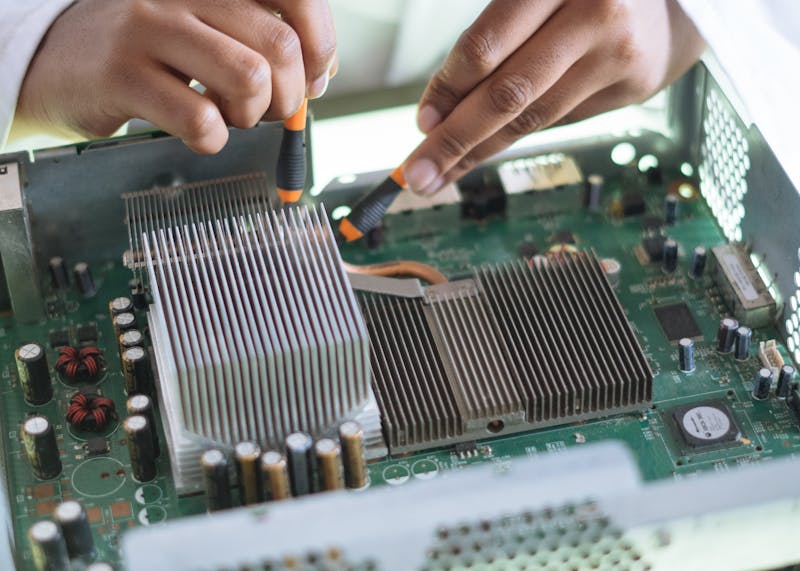
Batteries are the heart of your electric floor scrubber. Proper battery care directly impacts runtime, performance, and overall machine life.
For flooded lead-acid batteries:
For AGM/gel or lithium batteries:
Signs of battery trouble: Reduced runtime, longer charging times, excessive heat during charging, or swollen battery cases. Address these immediately.
Your floor scrubber has numerous moving parts — wheels, casters, brush deck pivots, pedal linkages — that need regular lubrication.
What to do:
The seals around the scrub deck keep water contained under the machine during cleaning. Worn seals allow water to escape, creating streaks and reducing efficiency.
What to do:
Even with daily rinsing, mineral deposits, chemical residue, and organic matter can accumulate in the recovery system over time.
What to do:
Some maintenance tasks are best left to professionals. If you have a fleet of machines or operate critical cleaning schedules, consider a semi-annual service contract.
What a pro service includes:

The best-maintained machine will fail prematurely if operators don't know how to use it properly. Invest time in training:
| Frequency | Task |
|---|---|
| Daily | Clean squeegee blades, empty & rinse tanks |
| Weekly | Inspect brush deck, check vacuum hoses |
| Monthly | Battery maintenance, lubricate moving parts |
| Quarterly | Inspect seals, deep clean recovery system |
| Semi-Annual | Professional servicing |
A floor scrubber is a workhorse — but even workhorses need care. By following this maintenance schedule, you'll extend your equipment's life, reduce total cost of ownership, and ensure consistently clean, dry floors. When it's time to expand your fleet or upgrade to newer models, explore the full range of JIECHI floor cleaning equipment designed for durability and easy maintenance.
Remember: a few minutes of daily care can save thousands in repairs and years of extra service life. Start today.

 Telefone
:+1 2403149021
Telefone
:+1 2403149021 E-mail
:kliu@jiechi.com
E-mail
:kliu@jiechi.com

Deixe um recado
Digitalizar para Wechat :

Digitalizar para WhatsApp :

 português


